Timberland Men’s Brown Sneakers: Fit, Comfort, Care
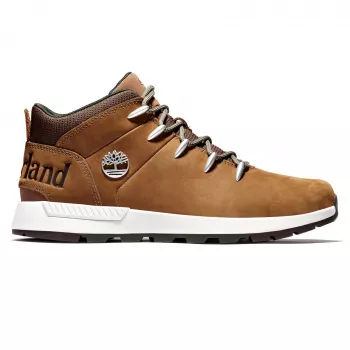
Timberland Men’s Brown Sneakers: Everyday Comfort With Rugged Style
Timberland men’s sneakers are made for day-to-day wear when a casual look still needs real durability. Brown colorways, in particular, fit easily into most wardrobes while staying more forgiving than bright uppers when it comes to dust, minor scuffs, and commute grime. Below is a practical guide to materials, comfort, fit, and upkeep—plus a quick side-by-side comparison to help narrow down the right pair for commuting, travel days, and weekends.
What makes Timberland men’s sneakers stand out
Timberland sneakers tend to sit in a sweet spot between “regular sneaker” comfort and workwear-inspired toughness. The look is rugged-casual, which means they pair naturally with denim, chinos, and utility-style outfits without feeling overly sporty.
- Rugged-casual design that works with jeans, chinos, and workwear-inspired layers
- Construction designed for frequent wear: sturdy uppers, reliable outsoles, and supportive footbeds (varies by model)
- Brown uppers generally hide everyday wear better than white or high-contrast colorways
- Great for city walking, casual office settings, errands, travel days, and light outdoor paths
For general footwear selection and comfort considerations, guidance from the American Podiatric Medical Association (APMA) can be a helpful starting point when deciding what features matter most for your feet and daily routine.
Spotlight: Timberland Men’s Brown Sneakers
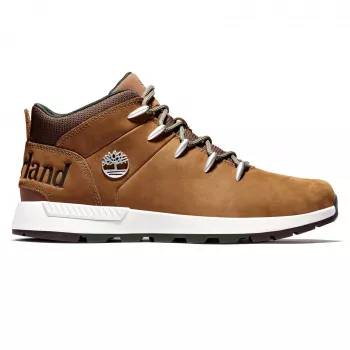
If you’re looking for a neutral, go-with-anything pair that can handle regular wear, Timberland Men’s Brown Sneakers are a strong option for an everyday rotation. They’re priced at $77.51 (USD) and currently in stock.
- Best fit for: commuters, travelers, and anyone who wants one dependable casual sneaker
- Why brown works: it keeps the look grounded and typically stays presentable longer between cleanings
- Style range: easy to dress down with tees and denim, or slightly sharpen with chinos and a clean overshirt
For brand background and broader style lines, the official Timberland site is a useful reference.
Materials and build quality to look for
Two sneakers can look similar online and feel totally different on foot. Materials and construction details are what separate “fine for occasional wear” from “ready for daily mileage.”
- Upper materials: leather, coated leather, suede, nubuck, or durable textile blends. Leather can feel more structured and protective, while textiles can feel lighter and more breathable.
- Stitching and paneling: tight seams and reinforced stress points help shoes keep their shape and resist early blowouts.
- Lining and collar padding: a well-padded collar reduces heel rubbing and makes long days more comfortable.
- Outsole grip: deeper, more defined tread is helpful for wet sidewalks, cobblestones, or light park trails.
- Weight and flexibility: stiffer builds often feel more supportive; flexible soles can feel more “classic sneaker” for all-day wear.
Fit and sizing: getting the best feel from day one
Fit is where comfort starts—and where most “these hurt” problems come from. Even a well-built sneaker can feel wrong if the size or shape doesn’t match your foot.
- Measure both feet and fit to the larger foot. Try on with the socks you actually wear day-to-day.
- Toe room: aim for about a thumb’s width in front of the longest toe, especially if you do lots of downhill walking or stairs.
- Heel hold: the heel should stay planted with minimal lift. Too much slip often becomes a blister problem.
- Width matters: if you feel pressure at the ball of the foot, look for roomier models or wider options when available.
- Break-in reality: leather and suede may relax slightly, but starting tight is rarely worth it—comfort should be close to day-one ready.
Comfort and support for long walks
For commuting and travel, comfort is more than “soft.” The goal is consistent cushioning and stability over time, not a squishy feel that bottoms out after a few weeks.
Style ideas: how to wear brown Timberland sneakers
Care and cleaning to keep them looking sharp
Quick care guide by upper type
| Upper type | Best routine tool | Cleaner to use | What to avoid |
|---|---|---|---|
| Leather/coated leather | Soft cloth | Mild soap + water | Harsh solvents, soaking |
| Suede/nubuck | Suede brush/eraser | Suede-specific cleaner | Heavy water, oily conditioners |
| Textile/mesh | Soft brush | Gentle detergent + water | Bleach, high heat drying |
Comparing nearby options in the shop
| Option | Best for | Style vibe | Typical outfit pairing |
|---|---|---|---|
| Timberland Men’s Brown Sneakers | Daily walking, commuting, travel | Rugged casual | Jeans/chinos + tees, flannels, light jackets |
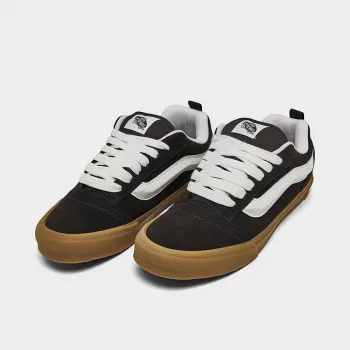
| Dr. Martens Men’s Beige Suede Moccasin | Quick errands, relaxed days | Casual slip-on | Denim, relaxed chinos, lightweight knits |
When to replace a frequently worn sneaker
FAQ
Do Timberland men’s sneakers run true to size?
Fit can vary by model and foot width, so measuring both feet and trying on with your usual socks is the safest approach. Look for a thumb’s width of toe room and minimal heel slip, and factor in any insoles you plan to wear for daily comfort.
How can brown Timberland sneakers be cleaned without damaging the upper?
Use gentle, minimal-moisture cleaning: wipe leather with a damp cloth and mild soap, brush suede/nubuck with a suede brush and use a suede-specific cleaner, and clean textile/mesh with a soft brush and gentle detergent. Let them air-dry away from direct heat to protect the materials and shape.
Are Timberland men’s sneakers good for all-day walking?
They can be, especially when the fit is right and the midsole cushioning and outsole traction match your daily surfaces. If you need more structure for long days, adding a supportive insole can improve arch support and reduce fatigue.








Leave a comment