Timberland Men’s Leather Boots: Fit, Care & Value Guide
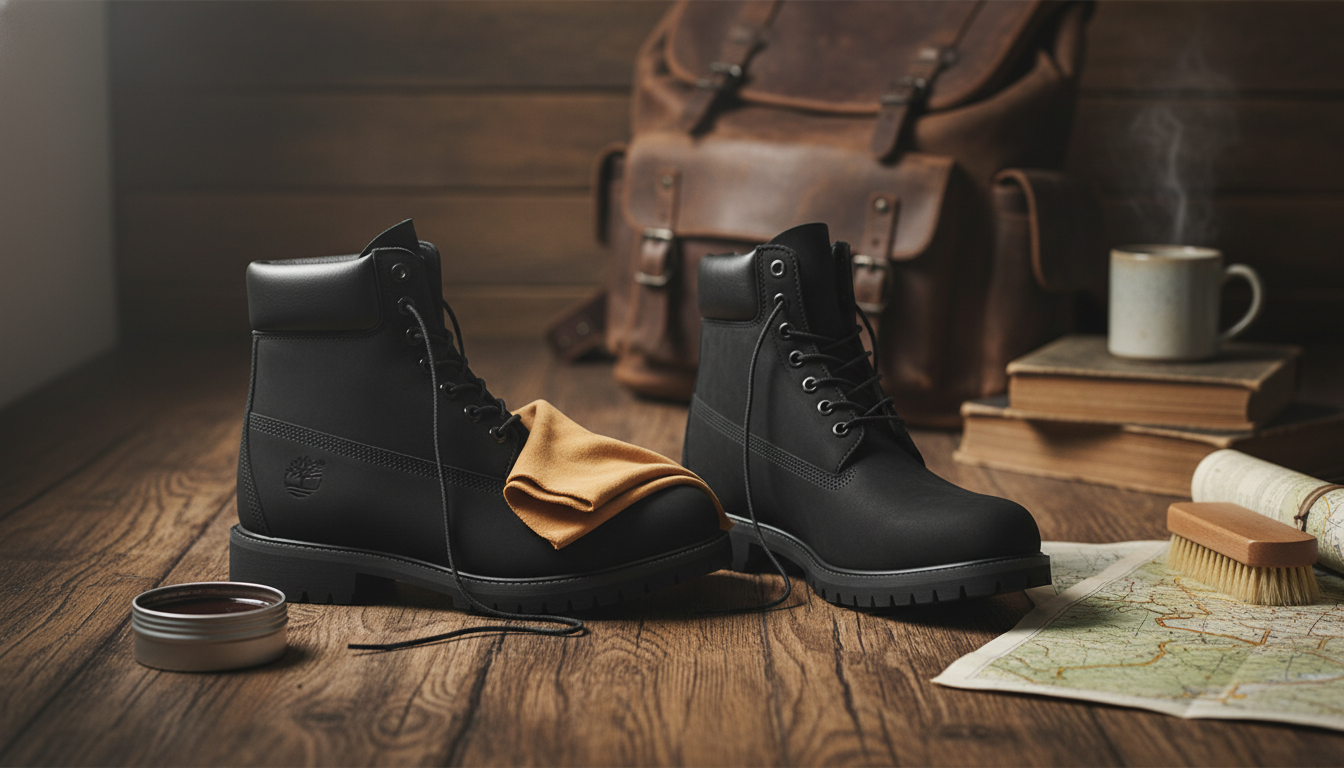
Timberland Men’s Leather Boots: Everyday Durability With Classic Style
Leather boots earn their place in a wardrobe when they handle long days, changing weather, and frequent wear without losing comfort. Timberland men’s leather boots are built around that idea: sturdy materials, supportive construction, and a look that works from casual outfits to more rugged settings. With the right fit and a simple care routine, a dependable leather boot can move from weekday commuting to weekend walking without feeling like “special occasion” footwear.
What Stands Out About Timberland Men’s Leather Boots
Timberland’s leather boots are known for their structured feel and practical build. They tend to start firm, then get better as the leather relaxes and molds to your stride.
- Leather-forward build designed for long-term wear, with a structured feel that typically improves as the boot breaks in.
- Boot styling that pairs well with denim, workwear, and everyday casual layers.
- A solid option for cooler seasons and wet sidewalks when paired with appropriate socks and basic leather care.
- Best results come from choosing the right fit and maintaining the leather from day one.
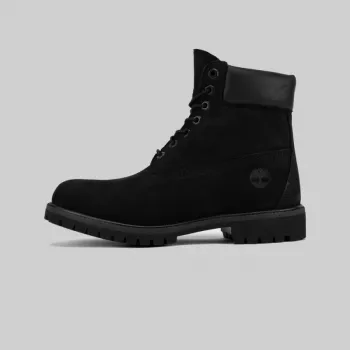
If you’re shopping for a straightforward, wear-often pair, start with Timberland Men’s Leather Boots and plan to treat them like a long-term staple rather than a one-season buy.
Comfort and Fit: Getting the Size Right
Fit is where “good boots” become “boots that actually get worn.” Leather will adapt, but it won’t fix a size that’s truly off—especially in the heel and toe box.
- Measure feet later in the day when they’re naturally more expanded, then compare to the brand’s sizing guidance.
- Plan sock thickness upfront (thin dress socks vs. midweight wool) and fit the boot around the socks actually worn.
- Heel slip should be minimal after a brief break-in; excessive slip can cause blisters and indicates poor fit.
- Toe room matters: toes should wiggle freely while the forefoot stays secure to reduce fatigue on longer walks.
| Fit area | What to look for | Common warning sign |
|---|---|---|
| Heel | Snug with slight movement | Noticeable lift with each step |
| Toes | Space to wiggle | Toes pressing front or top |
| Midfoot | Secure without pinching | Numbness or hot spots |
| Ankle/collar | Stable with comfortable contact | Rubbing that worsens after 5–10 minutes |
For general footwear comfort guidance (especially if you’re on your feet all day), the American Podiatric Medical Association is a helpful reference for fit and support basics.
Leather Quality and What It Means Over Time
Leather’s biggest advantage is how it ages. With regular wear, it becomes more flexible and personal—creasing where you bend and smoothing where you flex—while still holding its shape better than many soft materials.
- Leather softens and molds with wear, but it also needs conditioning to avoid drying and cracking.
- Scuffs are normal; many can be buffed out with a soft brush and appropriate leather cream.
- Water exposure should be followed by air drying at room temperature—avoid direct heat sources that can damage leather.
- A protective spray helps reduce staining and water spotting, especially in wet or snowy months.
If you like to dig into material standards and responsible leather practices, the Leather Working Group offers background on industry frameworks and tannery auditing.
Outfit Pairings and When to Wear Them
Classic leather boots work because they’re easy to style without overthinking. Keep the silhouette balanced: sturdier boots look best with straight or tapered pants rather than ultra-slim cuts that bunch at the ankle.
- Everyday casual: straight-leg jeans, a heavyweight tee, and a chore jacket or flannel.
- Smart-casual: dark denim or chinos with an oxford shirt and a simple sweater (keep the boots clean and conditioned).
- Cold-weather layering: thicker socks, cuffed denim, and a parka—focus on traction and keeping leather protected from salt stains.
- Weekend utility: work pants and a durable overshirt; aim for a secure lace-up fit for longer standing and walking.
When you want a lighter, more relaxed alternative for dry days, Dr. Martens Men’s Beige Suede Moccasin brings a softer profile that pairs well with chinos, washed denim, and warm-weather layers.
Care Routine That Keeps Leather Looking Good
Leather care doesn’t have to be complicated; it just has to be consistent. A few minutes of maintenance prevents the kind of damage that shortens a boot’s lifespan.
For brand-specific repair and care guidance, Timberland’s official help hub is a practical bookmark: Timberland — Product Care and Repair.
Price, Availability, and a Practical Value Check
| Item | Price | Availability |
|---|---|---|
| Timberland Men’s Leather Boots | 167.51 USD | In stock |
| Dr. Martens Men’s Beige Suede Moccasin | 87.51 USD | In stock |
Alternative Style Option for a Different Look
FAQ
How long does it take to break in leather boots?
Most leather boots take about 1–3 weeks of regular wear to feel noticeably more flexible, though stiffer pairs can take longer. Start with shorter wears, use the socks you’ll actually wear day-to-day, and address hot spots early with moleskin or heel pads.
How should leather boots be dried after getting wet?
Air dry them at room temperature, loosen the laces, and remove the insoles if possible. Stuff the boots with paper to help them hold shape and absorb moisture, avoid direct heat, and condition lightly once they’re fully dry.
What’s the best way to prevent salt stains in winter?
Apply a leather protector before winter starts, then wipe boots down after exposure to salty sidewalks. If marks appear, remove them early with a gentle vinegar-and-water mix (test first), let dry, and recondition to restore the finish.








Leave a comment