Best Women’s Winter Boots: Waterproof, Warm, No Slips
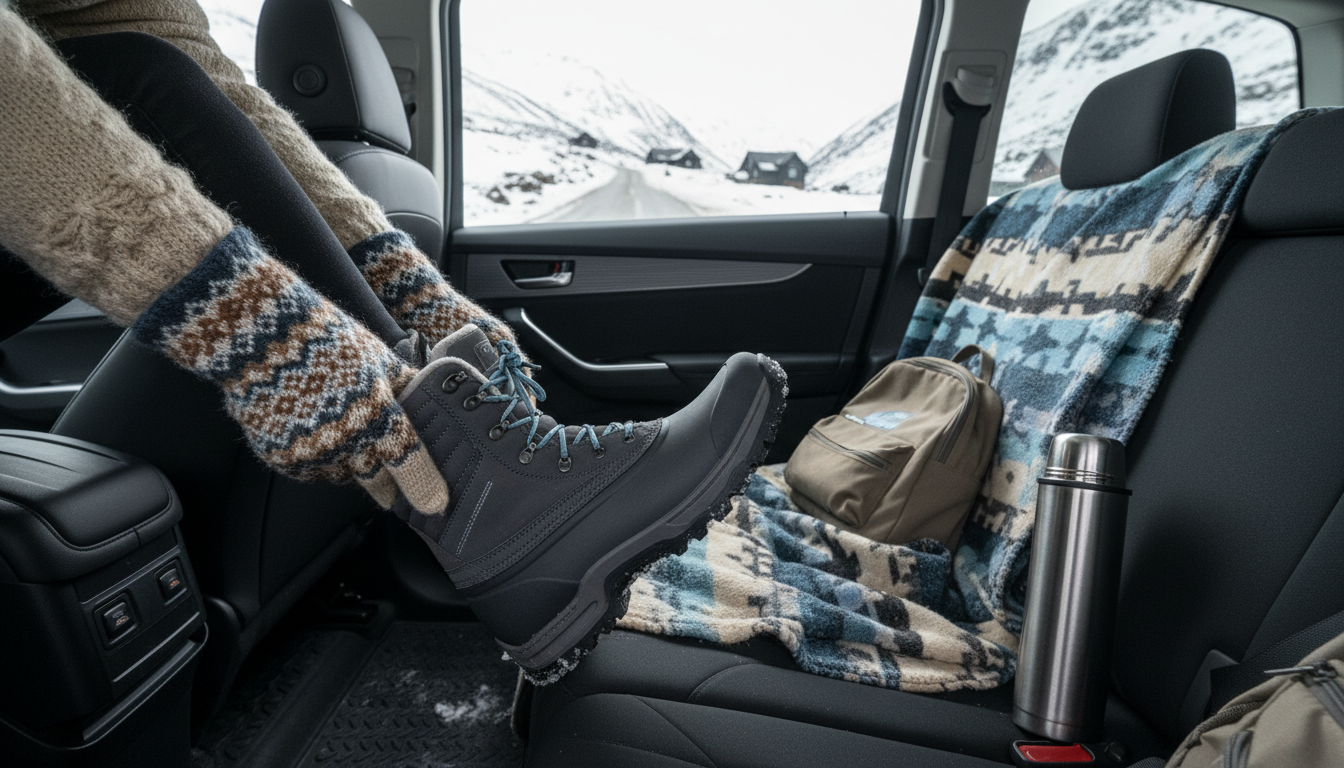
What are the best women’s boots for winter weather?
The best women’s boots for winter weather combine reliable traction, insulation that matches your climate, and waterproof protection that keeps slush and meltwater out. Look for winter-specific outsoles with deep lugs and rubber compounds designed to grip in cold temperatures, plus a secure fit that won’t slip at the heel when you’re moving quickly on slick sidewalks.
Prioritize waterproofing and sealed seams
For wet snow, freezing rain, and puddles, choose boots made with waterproof leather or a waterproof membrane (often labeled as waterproof/breathable). Sealed seams and a gusseted tongue help prevent water from sneaking in around stitching or laces. If you frequently walk through slush, a higher shaft offers extra coverage and less chance of overflow at the top.
Match insulation to your typical temperatures
Insulation matters most when you’ll be standing outdoors, commuting, or walking the dog in prolonged cold. Moderate insulation works well for active days and milder winters, while higher insulation is better for below-freezing conditions. If you run hot or spend most of your time indoors, prioritize breathable linings to avoid clammy feet.
Choose traction made for ice and packed snow
Ice is where many “cute winter boots” fail. Look for a lug pattern with multi-directional grips and a stable heel base. Some winter boots also use specialized rubber or embedded traction elements to improve grip on icy surfaces. A slightly wider outsole can increase stability, especially when sidewalks are uneven or partially cleared.
Comfort features that make a real difference
A supportive insole, cushioning under the heel, and enough toe room for thicker socks can turn an all-day boot into a favorite. If you’ll be driving, consider a lighter boot with flexible forefoot movement; for long walks, prioritize ankle support and shock absorption.
For a deeper breakdown of materials, insulation levels, and what to look for by winter conditions, visit the full guide on the best women’s boots for winter weather.
FAQ
How do I care for winter boots so they last longer?
Rinse off salt and slush after wear, let boots dry at room temperature, and use a conditioner or protectant appropriate for the boot’s material. Reapply waterproofing as needed, especially after heavy exposure to wet snow or road salt.








Leave a comment