Timberland Ankle Boots: Waterproof vs Water-Resistant
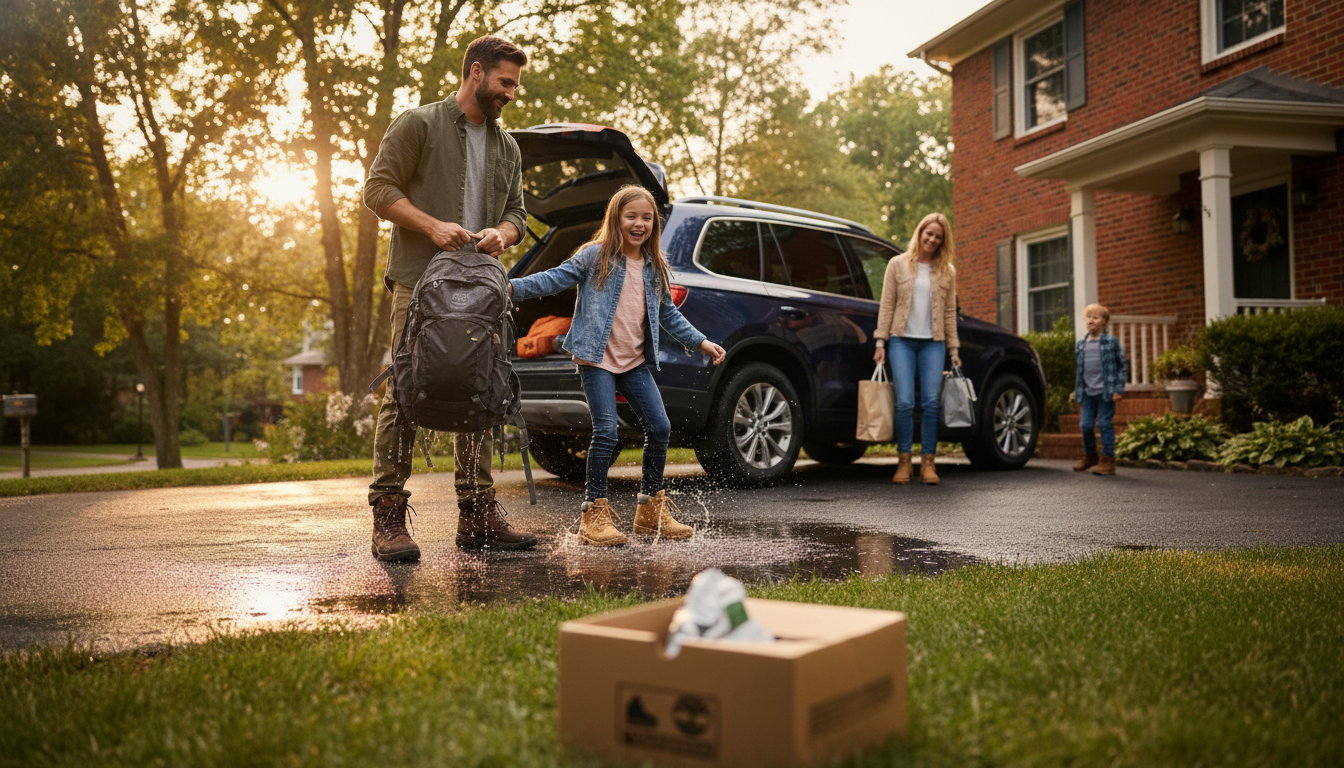
Are Timberland ankle boots waterproof?
Some Timberland ankle boots are truly waterproof, but many are only water-resistant. Timberland uses different leathers, membranes, and seam-sealing methods across styles, so the answer depends on the exact model name and its product label. If you routinely walk through rain, puddles, or slush, it’s worth confirming you’re buying one of the pairs specifically made to block water—not just repel it.
How to tell if a specific pair is waterproof
Start with the product description and tags. Waterproof Timberland ankle boots are usually marked “Waterproof” and often feature sealed seams and a waterproof membrane (commonly marketed as “TimberDry”). Many classic waterproof builds also use waterproof leather plus a gusseted tongue to help prevent water from entering around the laces.
On the other hand, boots described as “water-resistant,” “premium leather,” or “treated leather” may handle light rain but can soak through during prolonged exposure or when water rises above the collar or tongue area.
What “waterproof” does (and doesn’t) mean in real use
Even waterproof boots can leak if water comes in from the top, the tongue isn’t gusseted high enough, or the boots are worn and the materials have separated. Waterproofing also doesn’t guarantee warmth; insulation and lining determine how well boots handle cold conditions. For best results, keep the leather conditioned (using products compatible with waterproof leather) and let boots dry naturally after wet wear.
Best next step before buying
Look up the exact style name (often printed inside the boot or on the box) and confirm it’s labeled waterproof. For a deeper breakdown of materials, labeling tips, and what to expect from different Timberland lines, read the full guide here: https://excellentgemrealm.shop/are-timberland-ankle-boots-waterproof/.
FAQ
How do you waterproof Timberland boots at home?
Clean and dry the boots first, then apply a waterproofing spray or wax designed for the boot’s material (leather, nubuck, or suede). Reapply periodically, especially after heavy wet use or cleaning, and avoid products that can clog breathable waterproof membranes unless they’re specifically approved for that boot type.






Leave a comment